
Learn·Play·Grow
 Est. 2012
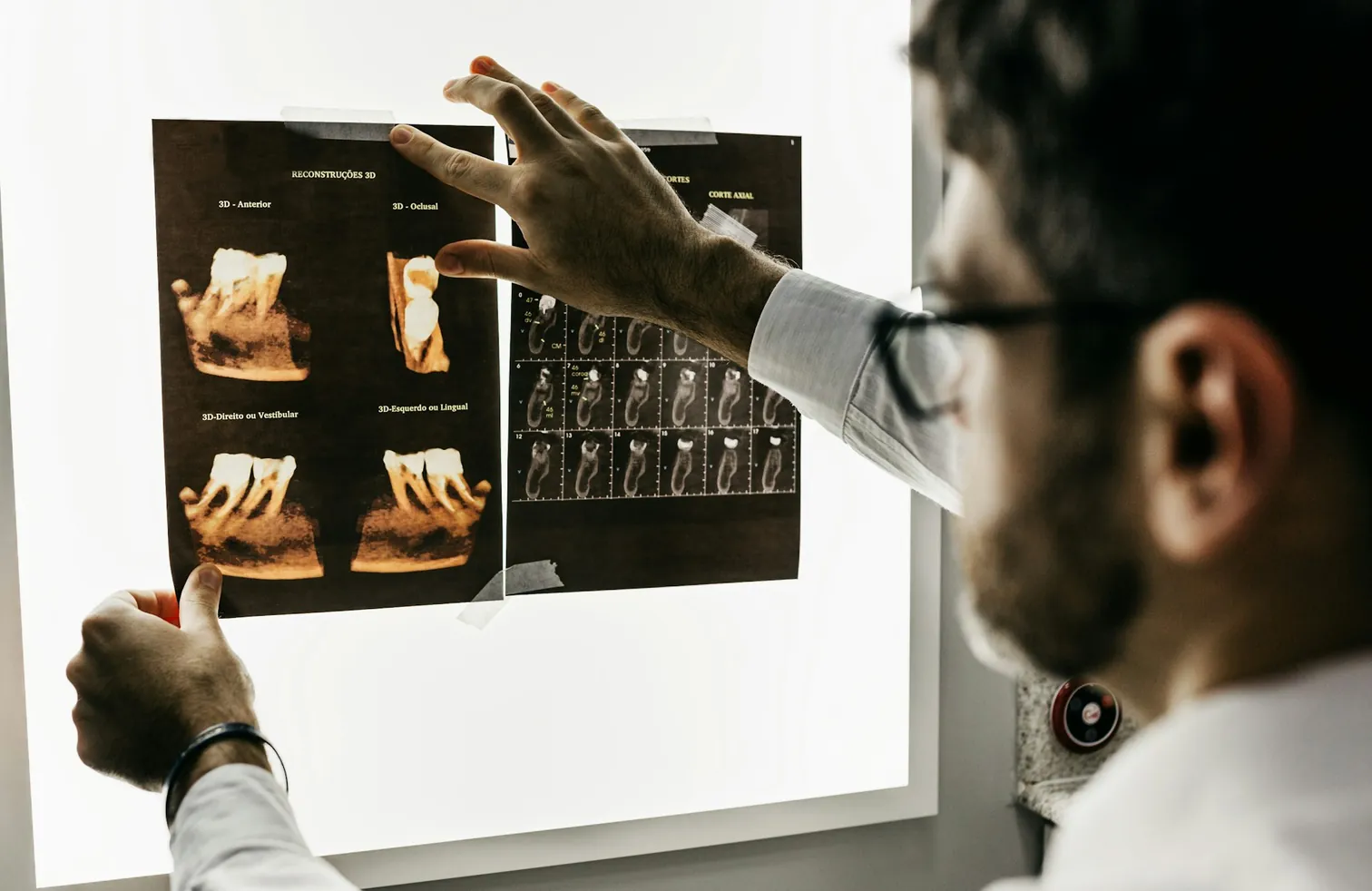
Learn to read scans, photos, and cephs the way a specialist does—then turn a problem list into a plan you can defend at the chair.
Intraoral scan protocols
Photo and ceph records
CBCT for ortho cases
3D setup decisions
Problem-list diagnosis
Digital VTO and goals
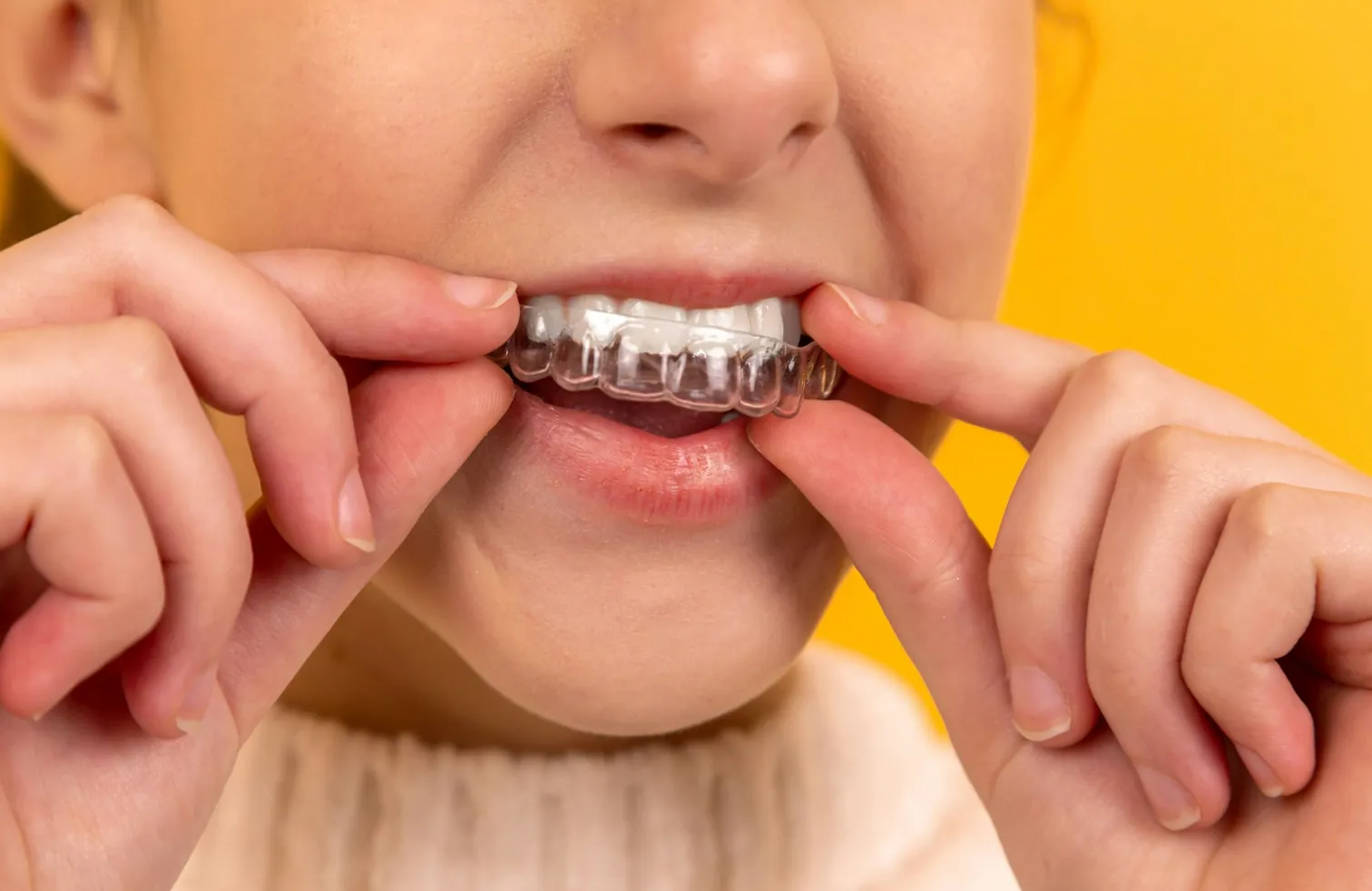
Staging, attachments, IPR, and refinement—taught as a clinic system, not a software demo. Finish cases instead of chasing trays.
Staging and attachment design
IPR protocols that track
Wear-time and compliance
Class II camouflage setups
Extraction vs non-extraction
Refinement and finish
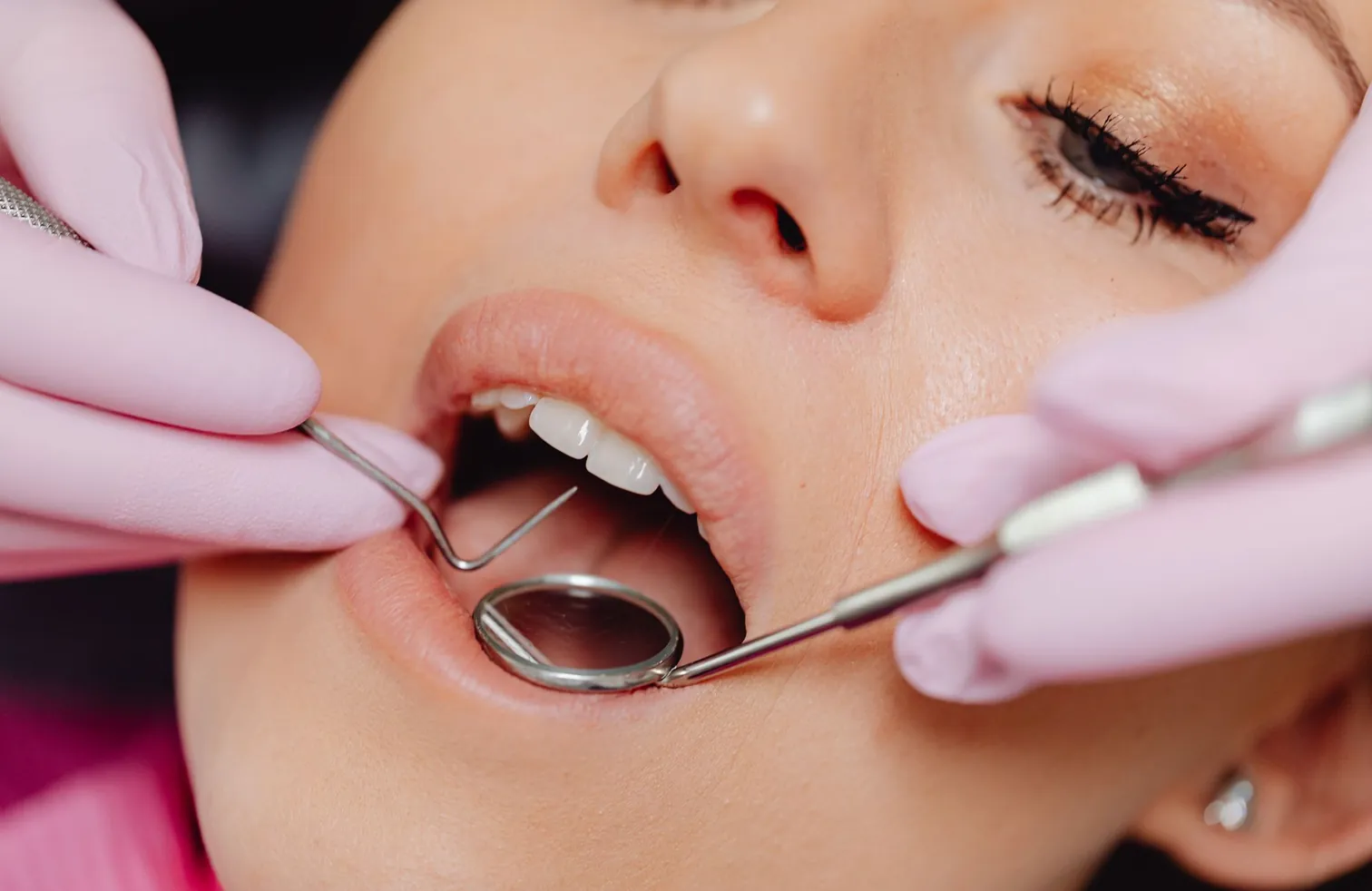
Force systems, moment-to-force, and wire choice with the same logic you use on a Tuesday afternoon. Clarity first, then control.
Force system strategy
Moment-to-force control
Wire sequence design
Anchorage architecture
Loop and closing mechanics
Finishing-bend playbooks
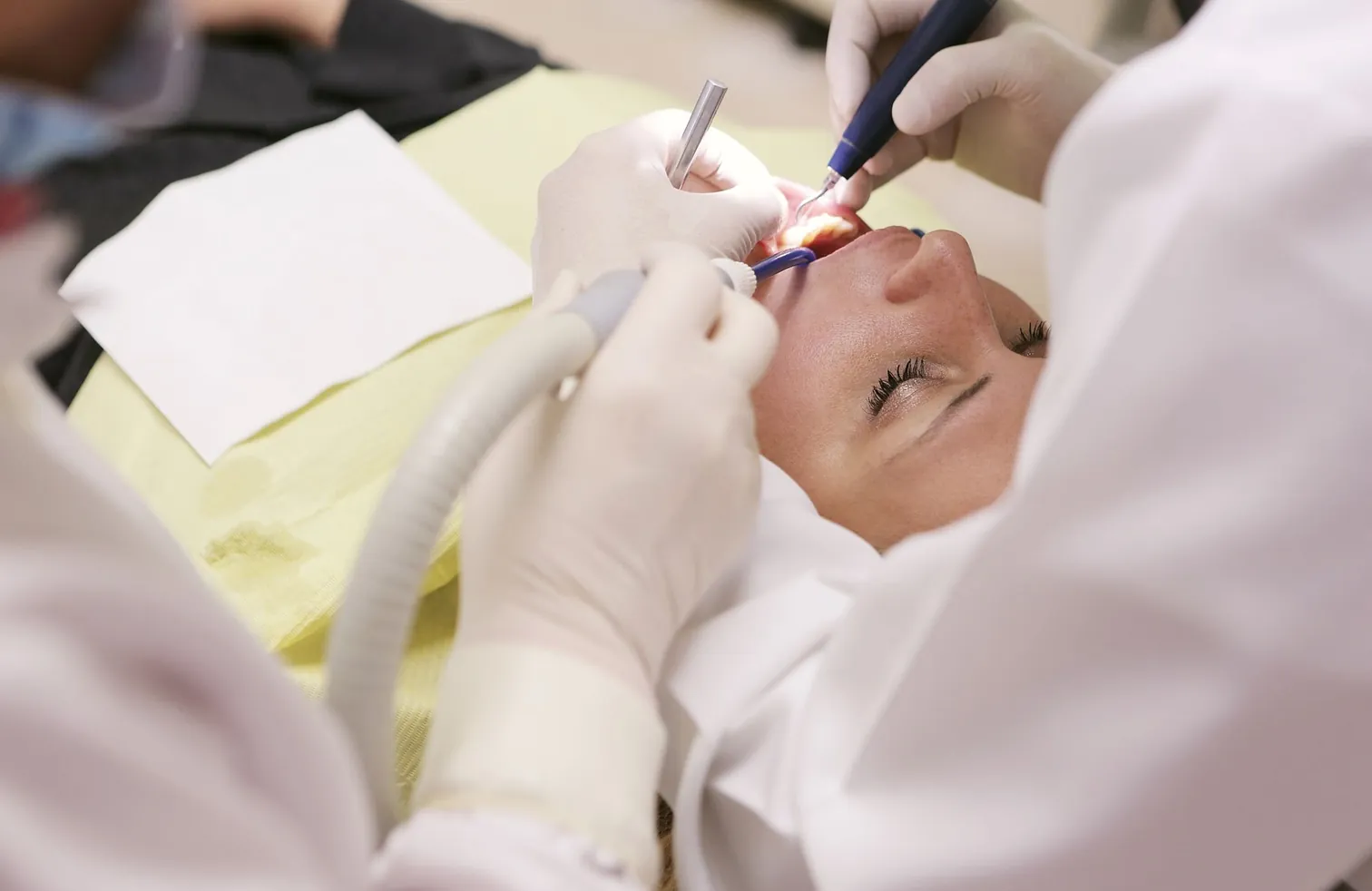
Bonding, leveling, space closure, and torque—hands-on sequences you can run with twin or self-ligating systems.
Bonding and positioning
Leveling and aligning
Space-closure mechanics
Torque expression
Occlusal finishing
Debond and polish
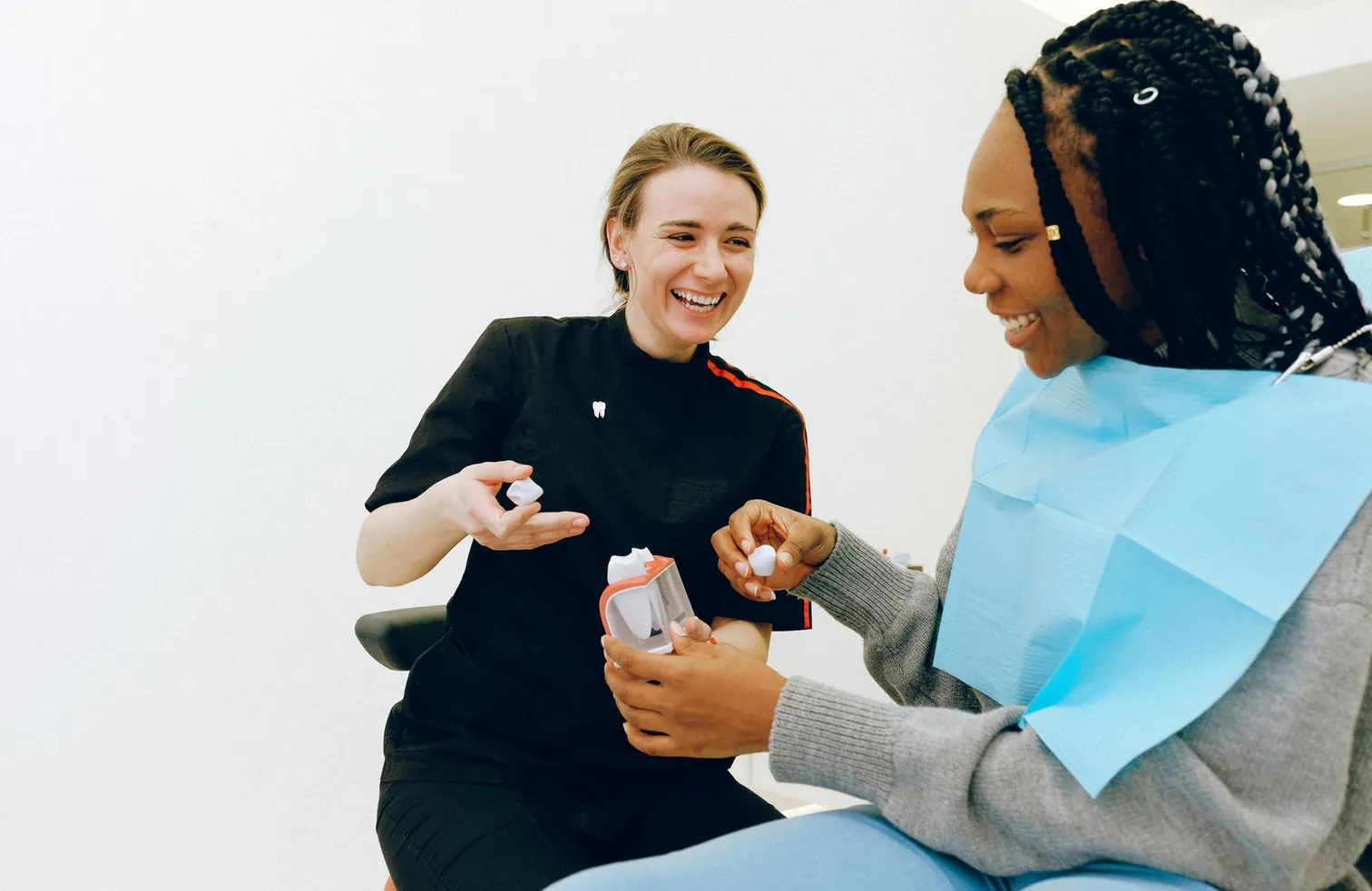
Mini-implants, skeletal anchorage, and the cases that stall without it. Place with intent. Load with a plan.
Mini-implant placement
Direct vs indirect anchorage
Molar distalization
Intrusion mechanics
Surgical ortho handoff
Failure and rescue
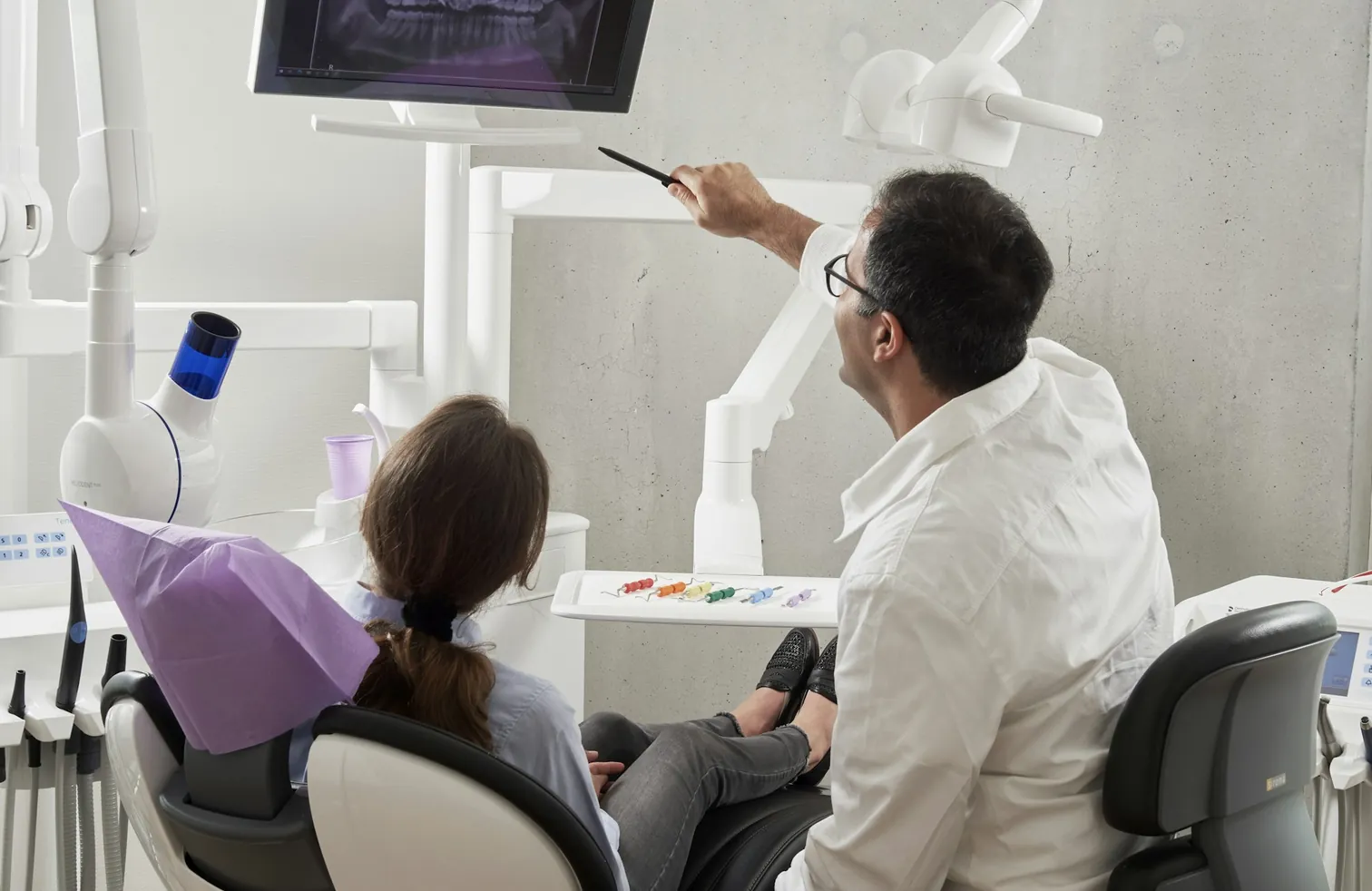
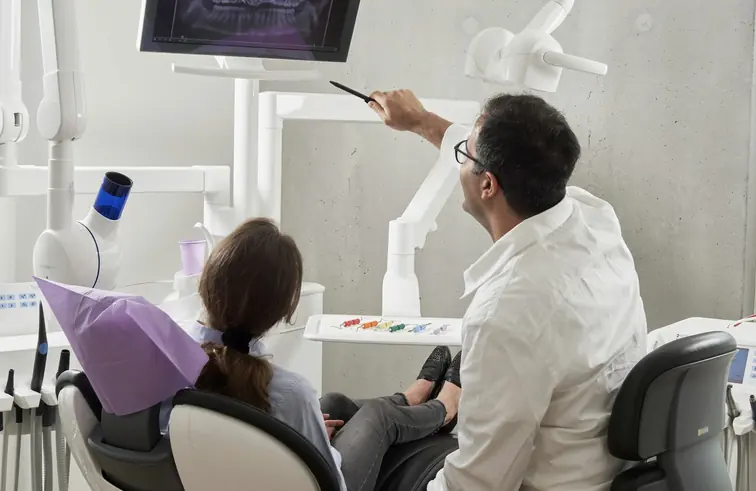
Consults that convert without pressure. Explain options, fees, and timelines so patients actually start—and stay.
Consult structure
Informed consent
Option and fee talks
Progress reviews
Photo-led explanations
Retention coaching
A clinical method applied
across every course.
Start with the records: what the case needs, why it stalled, and how it shows up in clinic.
Lessons become reps: typodont drills, staging decisions, and chairside moves you can use the same week.
Feedback turns technique into a standard you can repeat, teach, and trust on every case.